
Cosmetic Tooth Bonding in Green Bay, WI
Erase Imperfections In One Visit
- Instantly improve your smile’s appearance
- Enhance your smile with affordable treatment
- A bonding procedure is completely reversible
Fix Chips, Gaps, and Stains in One Visit
Your smile is one of the first things people notice—and if a chipped, discolored, or uneven tooth is making you hold back, tooth bonding at Allouez Family Dental can change that in a single appointment. Cosmetic tooth bonding is one of the most versatile, affordable treatments in cosmetic dentistry today, and our Green Bay patients consistently tell us it’s the treatment they wish they’d done sooner.
Whether you’re dealing with a small chip from an old sports injury, a gap between your front teeth, or years of coffee and wine stains that teeth whitening just won’t touch, composite resin bonding may be exactly what your smile needs—no dental lab, no waiting weeks for a restoration, and no removal of healthy tooth enamel.
Serving Green Bay, Allouez, De Pere, Bellevue, Ashwaubenon, Suamico, and the surrounding Northeast Wisconsin communities, Allouez Family Dental offers experienced, patient-centered cosmetic dentistry that fits real life. Call us at (920) 339-8980 to request an appointment to see if tooth bonding is the right fit.
What Is Cosmetic Tooth Bonding?
Cosmetic tooth bonding — also called dental bonding or composite bonding — is a procedure in which your dentist applies a tooth-colored composite resin directly to the surface of a tooth, sculpts it to the ideal shape, and then hardens it instantly with a UV curing light. The composite resin bonds chemically to your tooth enamel, creating a strong, seamless connection that looks and feels like a natural part of your tooth.
Unlike porcelain veneers, which are crafted in a dental laboratory and require two appointments, or dental crowns, which cap the entire tooth, bonding is done entirely chairside. Your dentist mixes and shades the composite resin to match the surrounding teeth—accounting for color, translucency, and texture—so the bonded tooth blends in perfectly with your smile.
The adhesive used in the bonding process is a dental-grade resin that, when combined with gentle surface etching of the enamel, creates a durable micro-mechanical bond. It’s this bond that allows the composite to withstand normal chewing forces while remaining virtually invisible to the eye.
What Dental Issues Can Tooth Bonding Correct?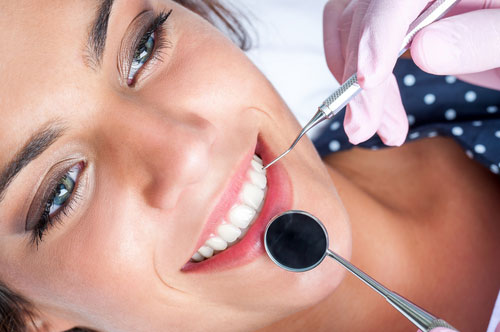
Cosmetic bonding is one of the most flexible treatments in a dentist’s toolkit. Our Green Bay patients use it to address a wide range of concerns, including:
- Chipped or cracked teeth, whether from an accident, a hard bite, or years of wear
- Discolored or stained teeth, including deep intrinsic stains that professional whitening cannot reach
- Small gaps between teeth (diastema)—without the commitment of orthodontics or Invisalign
- Teeth that appear too short, too small, or disproportionate to surrounding teeth
- Minor misalignment or irregular tooth shape
- Exposed tooth roots due to gum recession, which can cause sensitivity
- Worn enamel from grinding (bruxism) or acid erosion
- Old, discolored composite fillings that no longer match your tooth color
It’s worth noting that tooth bonding works best for minor to moderate cosmetic concerns. If a tooth has significant structural damage, extensive tooth decay, or a root canal treatment history, a dental crown or other restorative option may be more appropriate. During your consultation, Dr. Daniel Fama or Dr. Emma Jansen will evaluate your teeth and gums thoroughly and recommend the right path forward.
Am I a Good Candidate for Tooth Bonding?
Tooth bonding is suitable for most adults and even many teenagers, but the best candidates share a few characteristics:
- Healthy Teeth and Gums: Active tooth decay or gum disease must be treated first, since bonding to a compromised tooth won’t last.
- Minor to Moderate Cosmetic Concerns: Bonding is ideal for small chips, subtle gaps, and surface-level staining.
- Adequate Tooth Enamel: The adhesive resin bonds to enamel, so teeth with significant enamel erosion may need a different approach.
- Realistic Expectations: Bonding is durable, but it’s not as long-lasting as porcelain veneers or crowns, and it can chip with heavy biting forces.
If you grind your teeth at night (bruxism), that’s not an automatic disqualifier—but we may recommend a night guard to protect your bonding investment. Similarly, if you’re a heavy coffee drinker or smoker, we’ll discuss how lifestyle factors affect longevity and appearance.
Not sure if you’re a candidate? The easiest way to find out is a quick consultation with a dentist in Green Bay at our Libal Street office. Contact our Green Bay dental office at (920) 339-8980 to schedule your dental bonding consultation. We’ll assess your teeth, review your goals, and give you an honest recommendation—even if bonding isn’t the right fit, we’ll tell you what is.
Tooth Bonding vs. Veneers vs. Crowns: Which Is Right for You?
Patients frequently ask us how bonding compares to veneers and crowns, and the honest answer is that it depends on what you’re fixing and how long you want it to last. Here’s a plain-language breakdown:
Tooth bonding typically requires only one appointment. Enamel removal is minimal, usually involving only etching. The longevity of the bonding is generally 5 to 10 years. The typical cost per tooth ranges from $300 to $600. It’s best used for addressing chips, gaps, or stains. The procedure is reversible. Insurance coverage is sometimes partial, especially if the bonding is considered restorative in nature.
Porcelain veneers typically require 2 to 3 appointments. They involve moderate enamel removal, usually around 0.5mm, and can last for 10 to 20 or more years. The typical cost per tooth ranges from $1,000 to $2,500. Veneers are best suited for comprehensive makeovers but are not reversible and are rarely covered by insurance.
A dental crown typically requires two appointments. It involves significant enamel removal on all sides of the tooth. A crown offers longevity of 10 to 15+ years. The typical cost per tooth ranges from $1,200 to $3,000. Dental crowns are best suited for damaged or structurally weak teeth. The procedure is not reversible. Insurance coverage is often available, especially if the crown is for restorative purposes.
The bottom line: if you want a fast, affordable, minimally invasive fix for a specific imperfection, bonding is often the smartest first move. If you’re looking for a dramatic smile transformation that lasts a generation, porcelain veneers are worth the investment. And if a tooth is cracked deeply, weakened by decay, or has had a root canal, a crown is usually the right protective choice.
Not sure which fits your situation? That’s exactly what a cosmetic consultation is for. Our dentists near you in Green Bay will review your teeth, explain your options side by side, and never push you toward a more expensive procedure than you actually need.
What to Expect During Your Tooth Bonding Appointment
One of the biggest advantages of composite bonding is how refreshingly simple the process is. Most patients are in and out in under an hour—no temporary restorations, no second appointment, and no waiting on a dental lab. Here’s what happens, step by step:
Step 1: Shade Matching
We start with a shade guide to match the composite resin to the exact color of your surrounding teeth. This is where artistry matters—our dentists consider not just the base color but the translucency and brightness of your enamel to ensure the bonded tooth looks completely natural. If you’re planning to whiten your teeth, we recommend doing so before bonding, since the resin won’t respond to whitening treatments after it’s placed.
Step 2: Tooth Preparation
Unlike crowns or veneers, bonding requires very little preparation. We lightly roughen the surface of the tooth with a mild etching gel that creates a slightly porous texture on the enamel. This micro-texture is what allows the adhesive resin to grip the tooth securely. For most patients, anesthesia isn’t needed at this stage unless we’re bonding near an area of sensitivity or addressing tooth decay.
Step 3: Applying the Composite Resin
Next, we apply the adhesive bonding liquid, followed by the composite resin in a putty-like consistency. Your dentist carefully shapes and molds the resin against the tooth—building up layers if needed, sculpting the edges to match the natural contour of the tooth, and blending it seamlessly into the gumline and adjacent teeth. This is the most detail-oriented part of the process, and it’s where an experienced cosmetic dentist makes a noticeable difference.
Step 4: Curing
Once the resin is shaped, we harden it instantly using a UV curing light. This polymerizes the composite material in seconds, creating a solid, durable restoration that’s bonded directly to the tooth enamel. The entire curing process takes less than a minute per layer.
Step 5: Final Shaping and Polishing
After curing, we do any final trimming and shaping, then polish the bonded surface until it has the same sheen as natural tooth enamel. We also check your bite to make sure everything aligns properly—bonding that’s even slightly high can cause discomfort when chewing, so we take time here. The result should feel completely natural the moment you leave our office.
How Long Does Tooth Bonding Last? What Affects It?
With proper care, composite resin bonding typically lasts 5 to 10 years before it may need touching up or replacing. Some patients get closer to 10 years, while others need maintenance sooner—it really comes down to a few key factors:
- Location of the Bonding: Front teeth used for biting (like incisors) experience more stress than back teeth, and may wear faster
- Diet and Habits: Biting nails, chewing ice, opening packages with your teeth, or grinding will shorten bonding life considerably
- Coffee, Tea, Red Wine, and Tobacco: Composite resin is more porous than porcelain and can pick up staining over time; staying on top of cleanings helps
- Oral Hygiene: Brushing twice daily, flossing, and keeping up with routine cleanings at our Green Bay office will protect both the bonding and the underlying tooth health
- Night Grinding: If you clench or grind during sleep, a custom night guard from our office can significantly extend the life of your bonding
A quick note about whitening: teeth whitening solutions—both professional and over-the-counter—do not change the color of composite resin. This means if you whiten your natural teeth significantly after getting bonding, the bonded tooth may appear darker by comparison. Plan your whitening before bonding, and let our team know your shade goals so we can match accordingly.
The good news is that bonding is easy to repair. If a small chip develops years down the road, we can often touch it up in a single appointment without redoing the whole restoration.
How Much Does Tooth Bonding Cost in Green Bay?
In the Green Bay and Northeast Wisconsin area, cosmetic tooth bonding typically runs between $300 and $600 per tooth. The exact cost depends on the complexity of the case, how much composite resin is needed, and how many teeth are being treated.
Dental insurance usually does not cover bonding when it’s done purely for cosmetic reasons—but if the bonding is repairing a chipped tooth or protecting an exposed root from decay (which has a clear functional benefit), your insurance may cover part of the cost. Our front desk team will verify your benefits before your appointment and walk you through exactly what to expect out-of-pocket.
We also offer flexible payment options and our in-office membership club for patients without insurance. No one should skip a cosmetic improvement they’d benefit from just because of upfront cost—call us at (920) 339-8980 and let us help you figure out a plan.
Explore Related Cosmetic Dentistry Services
Tooth bonding is just one of several cosmetic options we offer at Allouez Family Dental. Depending on your goals, one of these services or a combination might be the right fit:
- Dental Veneers: For a more dramatic, long-lasting smile transformation using custom-crafted porcelain shells
- Teeth Whitening: Professional-strength whitening for staining that responds to bleaching agents
- Smile Makeover: A customized combination of cosmetic treatments planned around your unique smile goals
- Invisalign: For gaps or alignment concerns that bonding alone can’t fully address
- Gummy Smile Treatment: Laser gum reshaping for a more balanced tooth-to-gum ratio
Not sure which treatment is right for you? That’s exactly what a no-pressure cosmetic consultation is for. Our dentist near you in Green Bay will evaluate your teeth and give you a clear, honest picture of what each option would look like, including cost and timeline.
Frequently Asked Questions
No, for most patients, tooth bonding requires no anesthesia and no drilling. The only preparation is a mild surface etching that you won’t feel at all. If bonding is being done near a sensitive area or on a tooth with decay, we may use a local anesthetic, but that’s the exception rather than the rule.
Most single-tooth bonding appointments are completed in 45 to 60 minutes. If we’re bonding multiple teeth in one visit, plan for extra time—we’ll give you a realistic estimate at your consultation.
Yes, when done well, composite bonding is nearly impossible to distinguish from your natural teeth. The composite resin is shade-matched, sculpted to match the contour of your surrounding teeth, and polished to the same sheen as tooth enamel. Our dentists take their time with this step because the artistry makes all the difference.
Avoid very hard or sticky foods for the first 24–48 hours while the bonding fully settles. After that, normal eating is fine—just be mindful of habits like biting your nails, chewing ice, or opening things with your teeth, as these can chip both bonding and natural teeth.
Yes, since we remove minimal tooth structure (just a light surface etch), bonding is one of the few cosmetic dental procedures that can be fully reversed or changed later. This makes it a low-risk starting point for patients who want to explore cosmetic dentistry without a permanent commitment.
Yes, for small to moderate gaps, bonding is an effective and quick solution. We build out the sides of each tooth slightly to close the gap without orthodontics. For larger spacing issues, we may recommend Invisalign or veneers, depending on what will produce the best long-term result.
Book Same-Day Tooth Bonding in Green Bay for a Perfect Smile
You don’t have to live with a smile you’re self-conscious about—and you don’t have to spend a fortune or take multiple days off work to change it. Cosmetic tooth bonding at Allouez Family Dental is fast, comfortable, and produces results that make our patients genuinely excited to smile again.
We serve patients throughout Green Bay, Allouez, De Pere, Ashwaubenon, Bellevue, Suamico, Howard, and the broader Northeast Wisconsin area. Whether you’re looking for a dentist near you for the first time or switching from another Green Bay dental practice, we’d love to meet you.
Please call us at (920) 339-8980 to schedule your appointment. Same-week appointments are often available, and we’ll always take the time to answer your questions before we begin any treatment.